
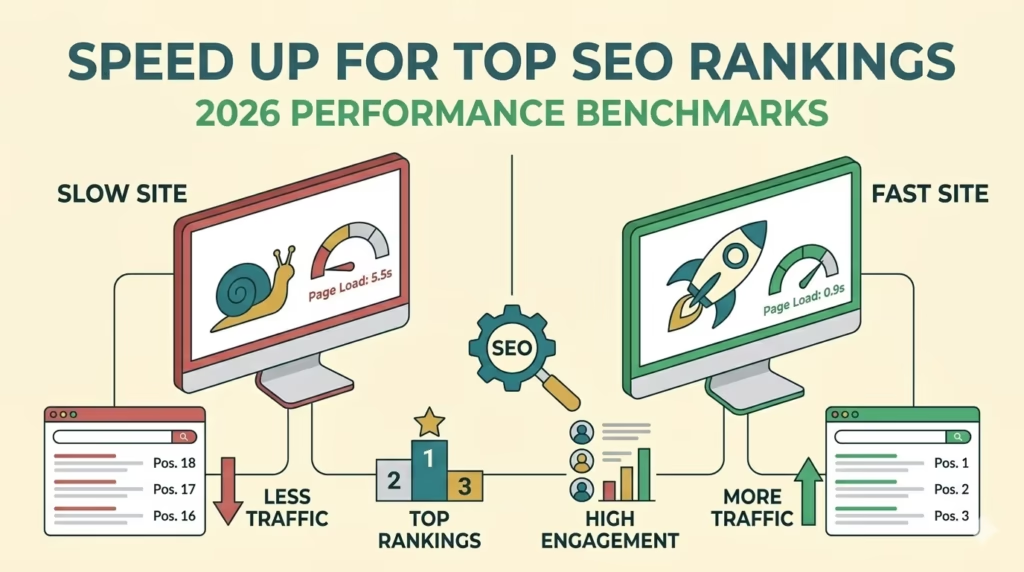
Website speed is one of the most important factors affecting SEO and user experience.
A slow-loading website can hurt your Google rankings, increase bounce rates, and reduce conversions. Modern internet users expect websites to load almost instantly, especially on mobile devices where speed and usability matter even more.
Google also prioritizes user experience, which means website performance directly influences how your site ranks in search results.
In this guide, we explain why website speed matters for SEO and how improving performance can help your website rank higher, improve engagement, and increase conversions.
What Is Website Speed
Website speed refers to how quickly your website loads and becomes fully usable for visitors.
It includes several performance-related factors such as server response time, page load speed, visual stability, and how quickly users can interact with the page.
A fast website creates a smoother experience for visitors, while a slow website can frustrate users and reduce engagement.
Common Factors That Affect Website Speed
Large Image Files
Uncompressed images are one of the biggest reasons websites load slowly. High-resolution images increase page size and loading time.
Poor Hosting Performance
Low-quality hosting can slow down server response times and negatively impact overall website performance.
Too Many Plugins
Excessive or poorly optimized plugins can increase server load and slow down WordPress websites.
Unoptimized Code
Heavy CSS, JavaScript, and unnecessary code can delay page rendering.
Excessive Scripts and Animations
Too many animations, tracking scripts, and third-party tools can make websites feel sluggish.
Why Website Speed Matters for SEO
Google uses website performance as a ranking factor because it directly affects user experience.
Fast websites create a smoother browsing experience, while slow websites frustrate users and increase abandonment rates.
A well-optimized website not only performs better in search engines but also keeps users engaged longer.
Better Google Rankings
Faster websites have a better chance of ranking higher in search results.
Google wants to deliver the best possible experience to users, and page speed is part of that experience.
Websites that load quickly are generally rewarded with better visibility compared to slower competitors.
Improved Core Web Vitals
Google measures loading speed, visual stability, and responsiveness through Core Web Vitals.
These metrics help determine whether a website provides a good user experience.
Improving speed often leads to better Core Web Vitals scores, which can positively impact SEO performance.
Lower Bounce Rates
Users are more likely to leave slow-loading websites before interacting with the content.
If visitors leave quickly, search engines may interpret the website as low quality or less useful.
Fast-loading websites encourage users to stay longer and explore more pages.
Better Mobile Performance
Mobile users expect websites to load quickly even on slower internet connections.
Since most web traffic now comes from mobile devices, mobile speed optimization has become essential for SEO success.
Higher Conversion Rates
Faster websites often generate more leads, sales, and engagement.
Whether you run a blog, business website, or online store, speed improvements can directly affect revenue and customer satisfaction.
How Slow Websites Hurt SEO
Slow websites negatively impact both search engines and users.
Even if your content is high quality, poor performance can prevent your website from reaching its full ranking potential.
Poor User Experience
Visitors may leave before pages fully load.
Slow websites create frustration and reduce trust, especially for first-time users.
Lower Crawl Efficiency
Search engines may crawl fewer pages on slow websites.
If your server responds slowly, search engines might not fully index all your content efficiently.
Reduced Engagement
Slow performance can reduce page views, session duration, and overall user interaction.
Users are less likely to browse additional pages on a website that feels slow or unresponsive.
Lost Revenue Opportunities
For eCommerce websites, slow loading times can directly reduce sales.
Even small delays during browsing or checkout can lead to abandoned carts and lost customers.
Core Web Vitals and Website Speed
Core Web Vitals are Google metrics used to evaluate website experience and performance.
These metrics focus on how fast your website loads, how responsive it feels, and how stable the layout remains while users interact with the page.
Improving Core Web Vitals can help improve SEO rankings and overall user experience.
Largest Contentful Paint (LCP)
Largest Contentful Paint measures how quickly the main content of a webpage loads.
A fast LCP score means users can view important content quickly without waiting too long.
Slow server response times, large images, and heavy scripts can negatively affect LCP performance.
Interaction to Next Paint (INP)
Interaction to Next Paint measures how responsive a website feels when users interact with it.
This includes actions like clicking buttons, opening menus, or typing into forms.
Heavy JavaScript and excessive frontend scripts can increase interaction delays.
Cumulative Layout Shift (CLS)
Cumulative Layout Shift measures visual stability and unexpected movement of page elements.
Poor CLS occurs when buttons, images, or text suddenly shift while the page loads.
Stable layouts create a smoother browsing experience and reduce user frustration.
How to Improve Website Speed
Improving website speed does not always require advanced technical work.
Even small optimizations can significantly improve loading times, user experience, and SEO performance.
Use Fast Hosting
Choose reliable hosting optimized for performance.
A high-quality hosting provider can improve server response times, uptime, and overall website speed.
Optimize Images
Compress large image files before uploading them to your website.
Optimized images reduce page size and improve loading performance without noticeably reducing quality.
Use Caching Plugins
Caching reduces server load and improves loading times by serving pre-generated versions of webpages.
Popular caching plugins can significantly improve WordPress performance.
Minimize Plugins
Too many plugins can slow down WordPress websites.
Remove unnecessary plugins and only keep tools that provide real value.
Use a CDN
A Content Delivery Network helps deliver website files faster from servers located closer to the user.
CDNs improve loading times for visitors from different countries and regions.
Best Tools to Test Website Speed
Testing website speed regularly helps identify performance problems and optimization opportunities.
Several free tools can analyze loading speed and provide improvement suggestions.
Google PageSpeed Insights
Provides performance scores, Core Web Vitals data, and optimization recommendations directly from Google.
It is one of the most commonly used tools for measuring SEO-related performance metrics.
GTmetrix
Analyzes loading performance, page size, and Core Web Vitals.
GTmetrix also provides detailed reports showing what is slowing down your website.
Pingdom Tools
Tests website loading speed from different geographic locations and provides performance insights.
It is useful for evaluating real-world loading performance for global visitors.
Common Website Speed Mistakes to Avoid
Many websites remain slow because of common optimization mistakes that negatively affect performance and user experience.
Avoiding these issues can significantly improve loading speed and SEO performance.
Uploading Uncompressed Images
Large image files increase page size and slow down loading times.
Always compress and optimize images before uploading them to your website.
Using Low-Quality Hosting
Cheap or overloaded hosting servers often lead to slow response times and poor website performance.
Reliable hosting is one of the biggest factors in website speed optimization.
Installing Too Many Plugins
Too many plugins can increase server load and create unnecessary scripts running in the background.
Only keep plugins that are essential for your website functionality.
Ignoring Mobile Optimization
Most website traffic now comes from mobile devices.
If your website performs poorly on mobile, it can hurt both user experience and SEO rankings.
Using Heavy Animations and Scripts
Excessive animations, popups, sliders, and third-party scripts can dramatically slow down websites.
Simple and lightweight designs usually perform much better.
Frequently Asked Questions
Does website speed affect SEO?
Yes, Google considers website speed and Core Web Vitals as ranking factors.
Faster websites provide a better user experience, which can help improve search visibility and rankings.
What is a good website loading speed?
Ideally, a website should load in under 2 to 3 seconds.
Faster loading times generally lead to better engagement and lower bounce rates.
Can slow websites reduce conversions?
Yes, slow websites often increase bounce rates and reduce sales, leads, and user engagement.
Even a small delay in loading time can negatively impact conversion rates.
Is website speed more important on mobile?
Yes, mobile performance is extremely important because most users browse websites on mobile devices.
Google also uses mobile-first indexing, making mobile optimization critical for SEO.
Final Verdict: Why Website Speed Matters for SEO
Website speed directly affects SEO rankings, user experience, and conversions.
Fast websites perform better in search results, keep visitors engaged longer, and improve overall business growth.
Even small speed improvements can have a noticeable impact on your website performance, user satisfaction, and search visibility.
Whether you run a blog, business website, or eCommerce store, improving speed should always be a priority.
👉 Investing in website speed optimization is one of the smartest long-term SEO decisions you can make.



 Reach us on WhatsApp