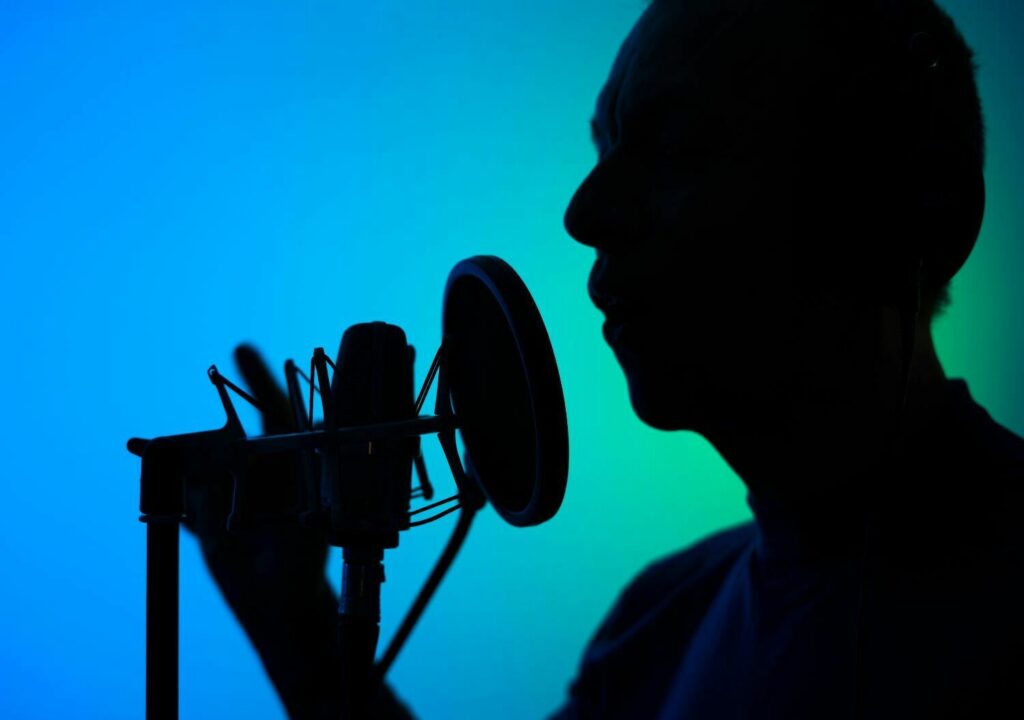
What is Voice Over Acting?
What is Voice Over Acting? How to be a Voice Actor? Voice-over acting is one of the most demanding latest technology skills. In recent years, its usage has been massively expanded in different fields of voice skills. In 2017 only it enhanced by 900% compared to the last 3 years. It reaches out to horror effects starting from cartoon movies, animations, background voices, and documentaries. Voice-over acting is an art that a person adopts as a profession to present voice off-screen on radio, television, or any camera. In voice-over acting, the sole actor is your voice, and the sound effects will only catch the audience’s attraction.
Who is Voice Actor?
Voice acting differs from on-screen acting as a voice actor will not appear on the screen and will act purely to disseminate a message, act for entertainment, discuss a serious topic, or dedicate a piece of voice to someone. In a show, the star actor is only an off-screen voice from a voice actor.
Skills Required for Voice Acting
A voice actor needs the necessary equipment and skills before applying for a job and completing the task in time after getting an order. Some of the skills and Equipment for a voice actor are as follows.
1. Clear Voice
A clear voice is the first and foremost thing that is very important in voice-over acting. A voice actor must practice maximum times for easy understanding and a clear voice.
2. Right Speed
Voice actor needs to work on their speed of speaking. They will speak clearly with a good pace and pauses. The voicing actor will add silence stops to enhance the effect of an important line. The Voice actor needs to speak at a medium speed, not too fast- not too slow.
3. Change in Pitch
A voice actor needs to change the pitch or loudness of the voice as required. The voice acting gets more effects when a word for a reason is pronounced in a high tone, low tone, or in a hissing sound.
The voice effects changes with authoritative, horrifying, or entertaining voices.
4. Demos
Practicing, saving, analyzing, and improving your skill is the best way to enhance your skill expertise. Prepare demos for yourself and analyze them for your clients; if you are satisfied with your work, add them to your profile. A client may hire you based on your demos if your job is good.
Equipment Required for Voice Acting
1. Recording equipment
How to be a Voice Actor? What are the equipment requirements for voice-over acting? For voice recording, you should have access to a recording studio where you can record and practice your voice. If you do not have access to the recording studio, you will get the necessary equipment at home to record and practice the voice in your time.
Here is the shortlist for the recording Equipment for voice-over acting.
- Microphone
- Microphone stand
- Headphones
- Pop filters
- Recording software
Types of Voice-Over Work
Multiple fields require voice-over work for the completion of the task. Here are the significant fields and types of different works types for voice-over acting.
1. Films and Dramas
Voice-over acting provides a narrative for films and dramas. Some people are hired in films and dramas on the bases of their voices only instead of physical acting.
2. Dubbed in Foreign languages
Often films and dramas are dubbed into local languages for easy understanding of the people. In such cases, the voice-over actor is the most valuable person who will pronounce the dialogue in the local language, while the movement of lips is from a foreign language actor. The voice that matches the most is suitable for film, drama, and voice actors.
3. Audiobooks
Voice-over is in extensive demand in voice recording for books. Voice-over acting is necessary to fulfill the author’s tone of delivering words.
Where to learn: “How to be a Voice Actor”
Some links are affiliate links. We may earn a commission at no extra cost to you. Plans and prices are manually maintained; verify current terms with the provider.
| Platform | Name | Paid / Free | Details |
|---|---|---|---|
 | SkillShare | Paid | Get Offer |
 | FreeCodeCamp | Free | Learn More |
 | Coursera | Free | Learn More |
 | Udemy | Free + Paid | Learn More |
 | CodeAcademy | Free + Paid | Learn More |
 | W3 School | Free | Learn More |
 | HTML Dog | Free | Learn More |
 | Traverse Media | Free | Learn More |
 | Digi Nation | Free + Paid | Learn More |
 | YouTube | Free | Learn More |
 | Treehouse | Paid | Learn More |
 | Free + Paid | Learn More |
Top YouTube Videos on “How to be a Voice Actor”
https://www.youtube.com/watch?v=d6cqTmsNMoI
https://www.youtube.com/watch?v=24Z8-88suVk
https://www.youtube.com/watch?v=K2u-5D0WxhY
What a voice over artist actually does
A voice over artist records speech for ads, videos, audio books, courses, games and phone systems. Clients need clear, natural voices, and many hire freelancers who record from a home studio.
- Read scripts in the tone the client wants.
- Record clean audio.
- Edit out mistakes and noise.
- Deliver files in the right format and length.
Skills you need
| Skill | Why it matters |
|---|---|
| Clear speech | Good diction makes your voice easy to understand |
| Acting | Match the mood of the script |
| Breath control | Steady delivery over long reads |
| Audio editing | Remove noise and mouth clicks |
| Reliability | Clients need files on time |
Step by step: how to start
- Read aloud every day and record yourself.
- Learn mic technique: distance, angle and pop filter use.
- Set up a quiet space with soft surfaces.
- Record a one minute demo in two or three styles.
- Learn basic editing in a free tool such as Audacity.
- Create a profile on freelance sites.
- Audition for small jobs and ask for feedback.
Tools and platforms to use
- A USB or XLR microphone with a pop filter.
- Headphones.
- Audacity, Reaper or similar for editing.
- A quiet room or a simple booth made with blankets.
- Cloud storage for delivery.
Where to find your first clients
Small businesses, course creators and video makers often need a voice. Show clear samples by style.
- Freelance sites such as Upwork and Fiverr.
- Voice over casting sites.
- YouTube creators and course makers.
- Local radio, ads and companies.
Common mistakes to avoid
- Recording in a noisy or echoing room.
- Skipping edits and noise clean up.
- One demo for every style.
- Not reading the script before recording.
- Missing the delivery format.
A simple 30 day plan
| Week | What to do |
|---|---|
| Week 1 | Read daily and set up your recording space |
| Week 2 | Record and edit your first demo |
| Week 3 | Create profiles and audition for small jobs |
| Week 4 | Deliver a first project and ask for a review |
Not sure this is the right skill for you? Read our guide to non-technical freelancing skills, and use our free tools for freelancers to get set up. You can also learn how to freelance on Upwork or sell on Fiverr.
Frequently asked questions
Do I need a professional studio?
No. A quiet room, a good microphone and basic editing are enough to start.
What microphone should I buy?
A solid USB or entry level XLR microphone with a pop filter works well. Quiet space matters more than a costly mic.
How do I make a demo reel?
Record one minute samples in different styles, such as ad, narration and character. Keep each one short and clean.
Where do I find voice over jobs?
Use freelance sites, voice casting sites and direct outreach to video makers.
Can I work in more than one language?
Yes. Bilingual voices are in demand. Make a separate demo for each language.