

When people think of Namecheap, they usually think of domain registration. But over the years, namecheap’s hosting has grown into a complete web hosting solution offering shared hosting, managed WordPress, VPS, and dedicated servers.
Today, namecheap web hosting competes with many big hosting brands by offering affordable plans, beginner-friendly tools, and scalable infrastructure. Whether you’re launching a blog, business website, or an online store, there’s likely a Namecheap hosting plan designed for your needs.
In this guide, we’ll cover:
- All namecheap hosting plans
- A full pricing breakdown
- Pros & cons
- Performance insights
- Who should choose which namecheap hosting plan
Overview of Namecheap Web Hosting
What is Namecheap Web Hosting?
Namecheap web hosting is the hosting division of Namecheap, a company founded in 2000 originally focused on domain registration. Over time, the company expanded beyond domains to offer a complete hosting ecosystem.
Today, namecheap hosting includes:
This expansion allows users to start small and scale as their website grows.
One of the reasons many users choose namecheap web hosting is because of its:
- 24/7 customer support
- Free website migrations
- Free SSL certificates
- Competitive pricing
- Beginner-friendly dashboard
Namecheap Hosting Plans Explained
Namecheap offers multiple hosting categories designed for different types of users. Whether you need a simple starter plan or a high-performance server, the available namecheap hosting plans cover almost every use case.
Each namecheap hosting plan is structured based on:
- Resource allocation (CPU, RAM, storage)
- Traffic capacity
- Performance level
- Management control
- Scalability options
In the next sections, we’ll break down each category so you can clearly understand which namecheap hosting plan fits your website goals best.
1. Namecheap Shared Hosting Plans
Shared hosting means multiple websites share the same server resources. It’s the most affordable way to launch a website and is usually the starting point for beginners.
If you’re running a personal blog, portfolio site, or small business website, a shared namecheap hosting plan is typically more than enough. This type of namecheap web hosting keeps costs low while still providing essential features like SSL, email accounts, and a control panel.
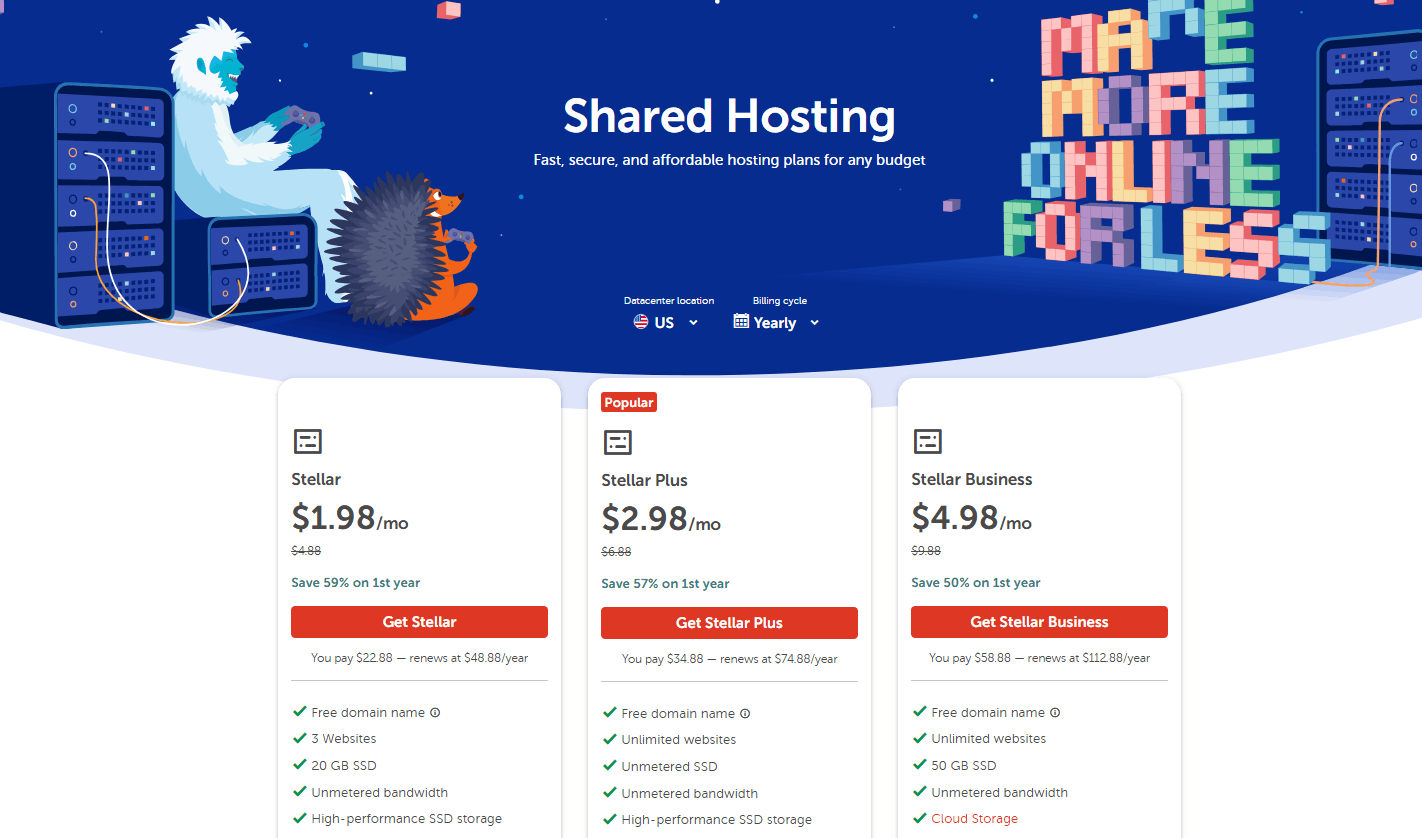
Namecheap offers three shared namecheap hosting plans:
- Stellar
- Stellar Plus
- Stellar Business
These plans differ mainly in storage capacity, backup features, and performance levels. For beginners or low-traffic sites, Stellar works well. Growing sites may benefit from Stellar Plus or Stellar Business for better speed and resource allocation.
If you’re looking for an affordable entry into namecheap web hosting, shared hosting is the most budget-friendly option.
👉 Check Namecheap Shared Hosting Plans Here
2. Namecheap WordPress Hosting Plans
Namecheap WordPress hosting is designed specifically for WordPress websites. Unlike shared hosting, this environment is optimized for WordPress performance and stability.
This is managed hosting, which means:
- Automatic WordPress updates
- Optimized performance
- Built-in caching
- Containerized infrastructure
- Better isolation from other users
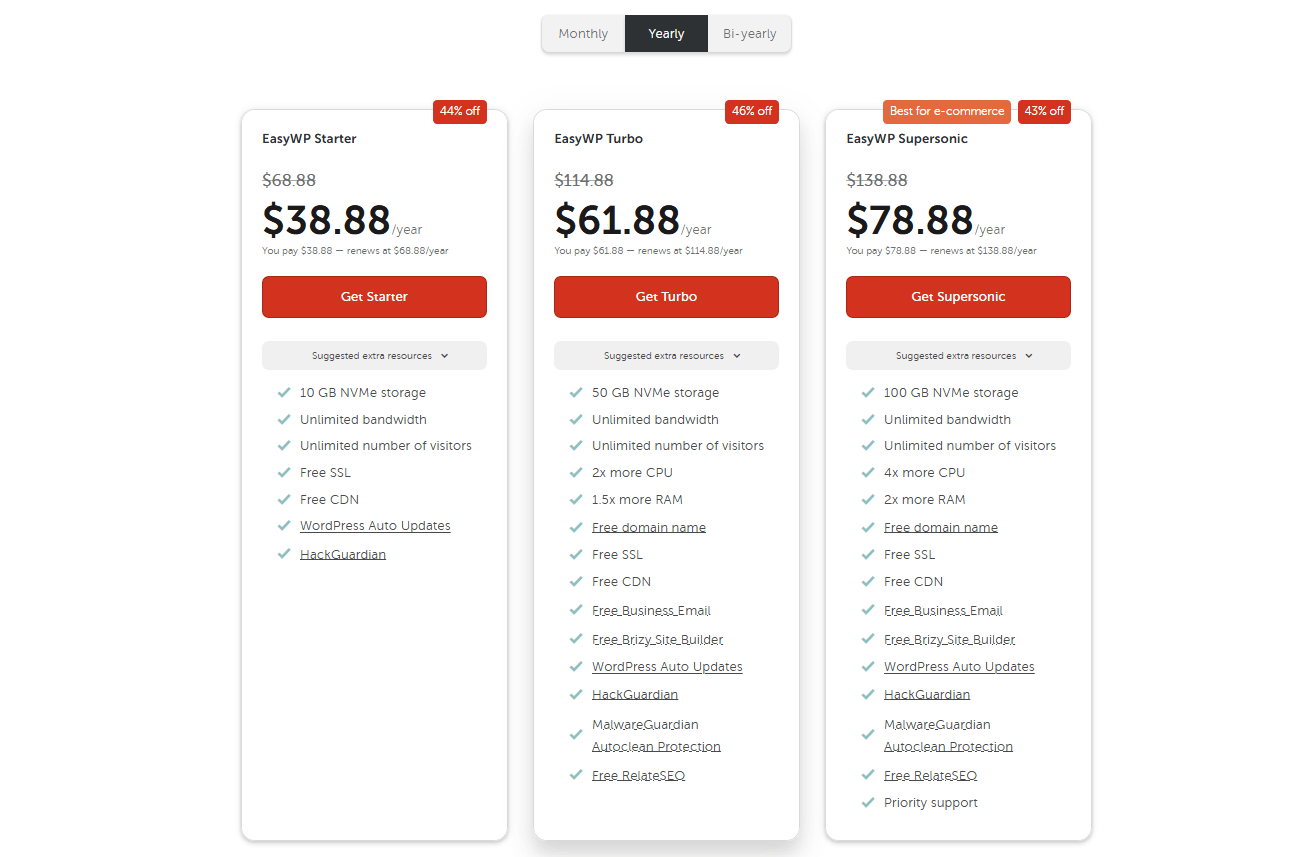
Namecheap offers three namecheap wordpress hosting plans under EasyWP:
- EasyWP Starter
- EasyWP Turbo
- EasyWP Supersonic
The main difference between shared hosting and namecheap wordpress hosting is performance optimization. Shared hosting runs multiple types of websites on one server, while WordPress hosting is specifically tuned for WordPress sites.
If your website runs entirely on WordPress and you want better speed and fewer technical concerns, this category of namecheap hosting plans is a stronger choice than basic shared hosting.
👉 Explore Namecheap WordPress Hosting
3. Namecheap Cloud Hosting (VPS)
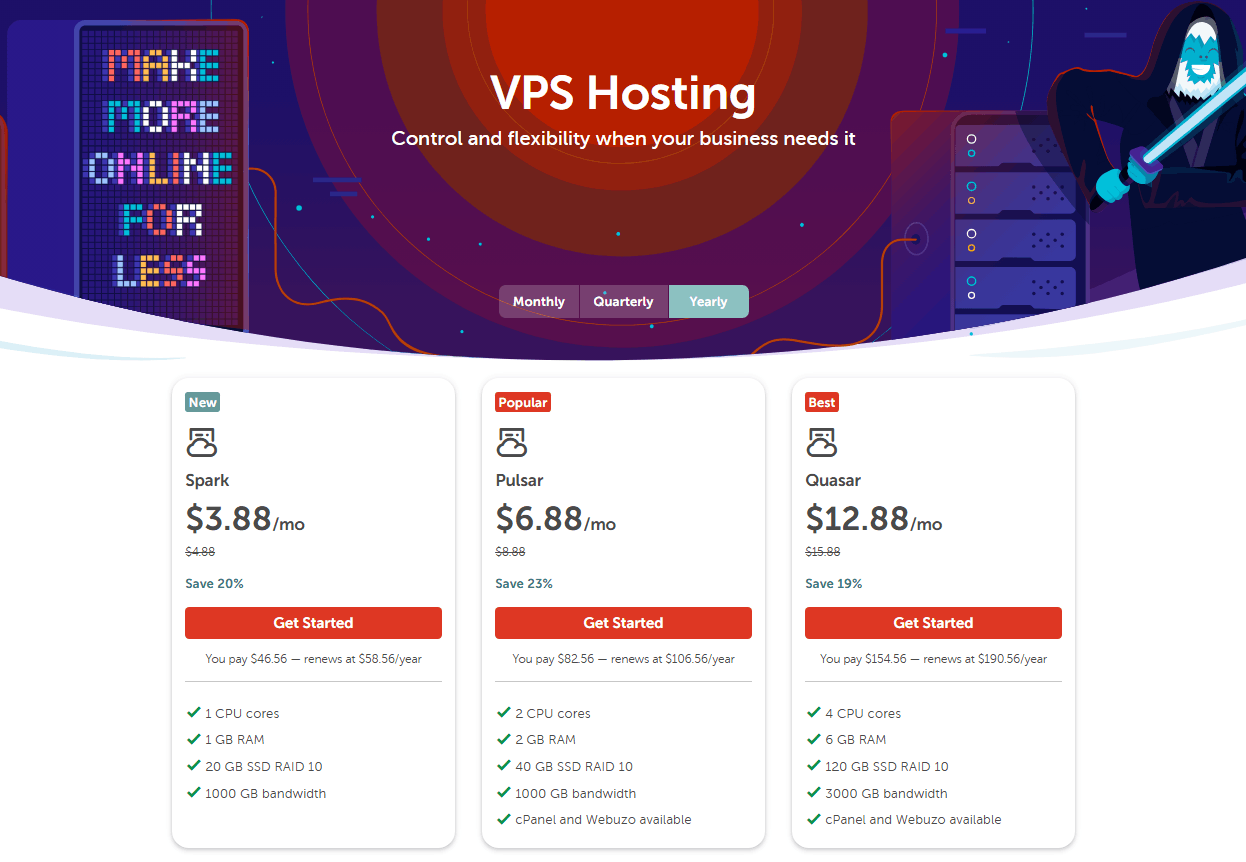
Namecheap cloud hosting, also known as VPS hosting, provides more power and flexibility than shared hosting.
With VPS, your website still shares a physical server, but you get dedicated virtual resources. This means better performance, improved stability, and more control.
A VPS hosting plan is ideal for:
- Growing businesses
- E-commerce stores
- Developers
- High-traffic blogs
- Agencies managing multiple websites
Unlike shared environments, cloud hosting gives you:
- Scalability as traffic increases
- Root access
- Custom configurations
- Greater independence from neighboring websites
If you need flexibility and performance beyond basic namecheap hosting, VPS is a strong mid-level solution.
👉 View Namecheap Cloud Hosting Plans
4. Namecheap Reseller Hosting
Reseller hosting allows you to purchase hosting resources and resell them under your own brand. It’s designed for agencies, freelancers, and developers who manage websites for clients.
This category within namecheap hosting plans allows you to create custom hosting packages and manage multiple client accounts from a central dashboard.
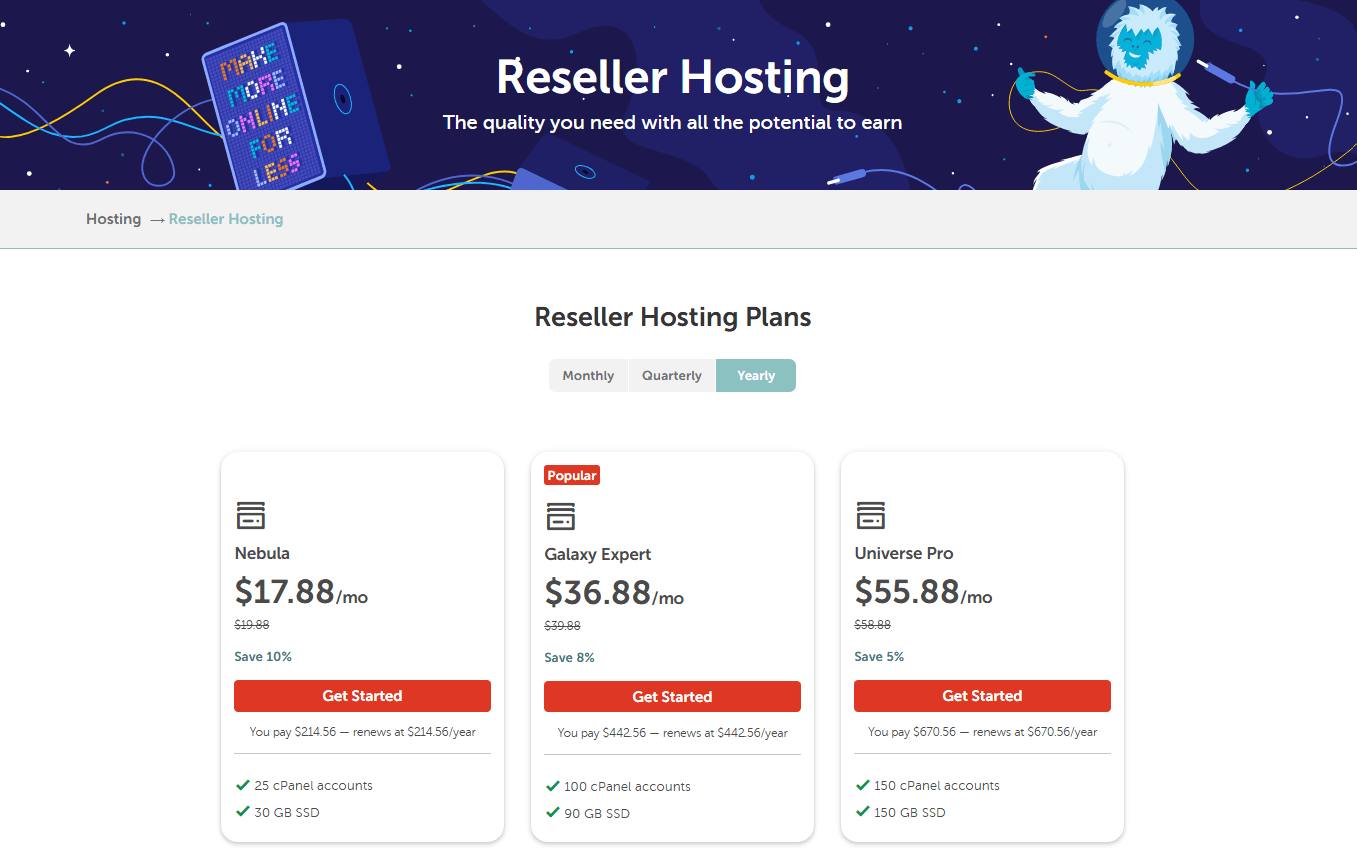
Available plans include:
- Nebula
- Galaxy Expert
- Universe Pro
With reseller hosting, you can:
- White-label the service
- Set your own pricing
- Manage multiple accounts
- Build recurring revenue
If you run a web design or development business, reseller options among namecheap hosting plans can turn hosting into an additional income stream.
👉 Start Reselling with Namecheap
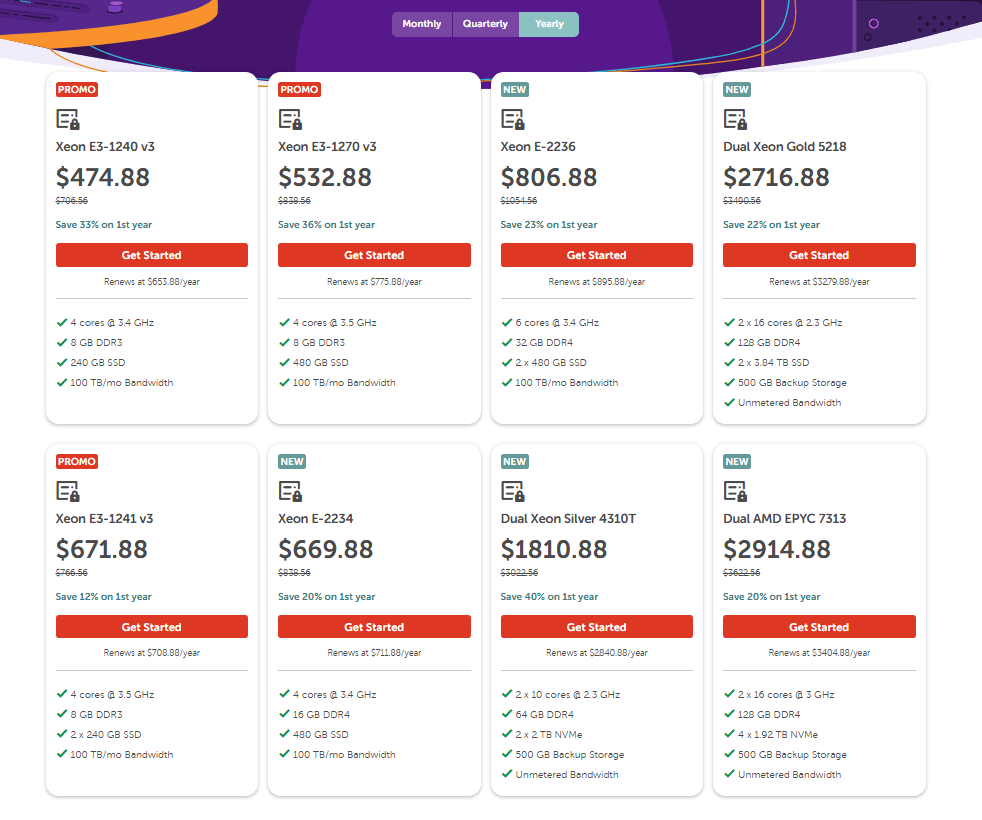
5. Namecheap Dedicated Server Hosting
Dedicated server hosting gives you full control over an entire physical server. No shared resources. No performance limitations caused by other users.
This type of namecheap hosting is best suited for:
- High-traffic websites
- Enterprise applications
- Streaming platforms
- Large e-commerce stores
- Businesses requiring custom server configurations
With dedicated hosting, you get:
- Full root access
- Maximum performance
- Advanced security control
- Hardware-level customization
Some server configurations include:
- Xeon E3
- Dual Xeon
- AMD EPYC
Among all namecheap hosting plans, dedicated servers provide the highest level of power and flexibility, but they also require technical expertise to manage properly.
👉 View Dedicated Server Options
Namecheap Hosting Pricing Breakdown
When comparing different namecheap hosting plans, pricing varies depending on the type of hosting and resources included. Below is a simplified breakdown of approximate pricing ranges:
| Hosting Type | Pricing Level | Best For |
|---|---|---|
| Shared Hosting | Entry-level budget | Beginners & small websites |
| WordPress Hosting | Slightly higher | WordPress-focused sites |
| VPS / Cloud Hosting | Mid-range | Growing businesses & developers |
| Dedicated Servers | Premium | High-traffic & enterprise projects |
- A shared namecheap hosting plan is the most affordable and ideal for entry-level websites.
- WordPress hosting costs slightly more due to performance optimizations.
- VPS (cloud) plans fall into the mid-range category with scalable resources.
- Dedicated servers are premium because you get full hardware access.
Overall, namecheap hosting plans are competitively priced compared to many other providers in the same categories.
Pros and Cons of Namecheap Hosting
Before choosing namecheap web hosting, it’s important to weigh the advantages and limitations.
Pros
- Affordable pricing across most plans
- Free SSL certificates included
- Free website migration
- Beginner-friendly dashboard
- Solid uptime for small to medium websites
Cons
- Limited data center locations compared to premium providers
- Basic performance on entry-level shared plans
- Advanced configurations may require technical knowledge
Who Should Choose Namecheap Hosting?
Not every hosting provider fits every user. Here’s who benefits most from namecheap hosting plans:
Beginners
If you’re launching your first website or blog, shared hosting or namecheap wordpress hosting offers an affordable and simple starting point.
Small Businesses
Small businesses looking for affordable scaling options can start with shared or WordPress hosting and upgrade to VPS as traffic grows.
Agencies
Agencies and freelancers can use reseller options within namecheap hosting plans to manage multiple client websites and create recurring income.
Developers
Developers who need flexibility, root access, and custom configurations will benefit from VPS or dedicated server options.
Is Namecheap Hosting Worth It in 2026?
In 2026, namecheap hosting continues to be a strong budget-friendly option.
It offers:
- Good value for money
- Ideal plans for startups and small businesses
- Flexible upgrade paths
- Affordable entry into web hosting
However, it’s not designed for large enterprise-level infrastructure or extreme high-performance environments.
If you’re looking for affordable and scalable namecheap hosting plans, it remains one of the better budget options available.
Top 10 Best Hosting Services in the World


Whether you choose namecheap hosting or another provider, always compare features, pricing, and scalability before making a final decision. Many users still prefer namecheap web hosting because of its affordable entry pricing.
Final Verdict on Namecheap Hosting Plans
To sum it up, namecheap hosting plans are:
- Affordable
- Flexible
- Suitable for beginners and growing businesses
- Available in multiple hosting categories
From shared hosting to VPS and dedicated servers, namecheap hosting provides a wide range of solutions depending on your technical needs and budget.
If you’re ready to get started:
👉 View Latest Namecheap Hosting Plans
👉 Start with Namecheap Web Hosting Today
For budget-conscious website owners looking for scalable options, namecheap hosting plans remain a solid and practical choice in 2026.
 Reach us on WhatsApp