
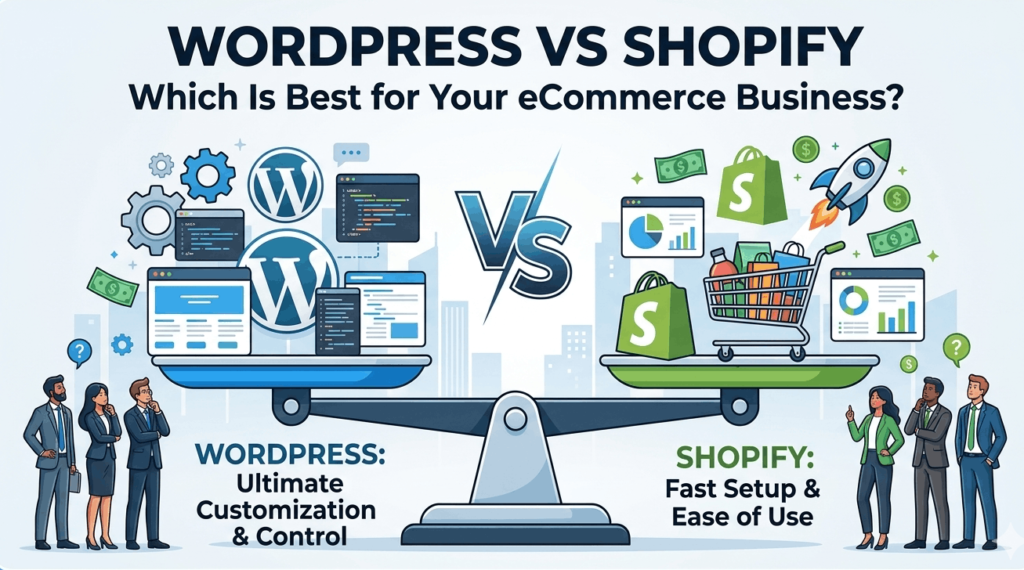
Choosing between wordpress vs shopify is one of the most important decisions when building an online store.
Both platforms are powerful, but they work in completely different ways. This is where most people get confused and end up choosing the wrong platform.
On one side, you have Shopify, which is built as a complete eCommerce solution. Everything is already set up for you. On the other side, you have WordPress, which is a flexible system that you customize based on your needs.
This guide explains wordpress vs shopify in simple terms so you can choose the right platform based on your business goals, not assumptions.
WordPress vs Shopify: The Fundamental Difference
The real difference between wordpress vs shopify is not about features. It is about how each platform is built and how you use it.
One is a managed system where everything is handled for you. The other is a self-managed system where you control everything.
Understanding this difference will make your decision much easier.
Shopify (Managed Platform)
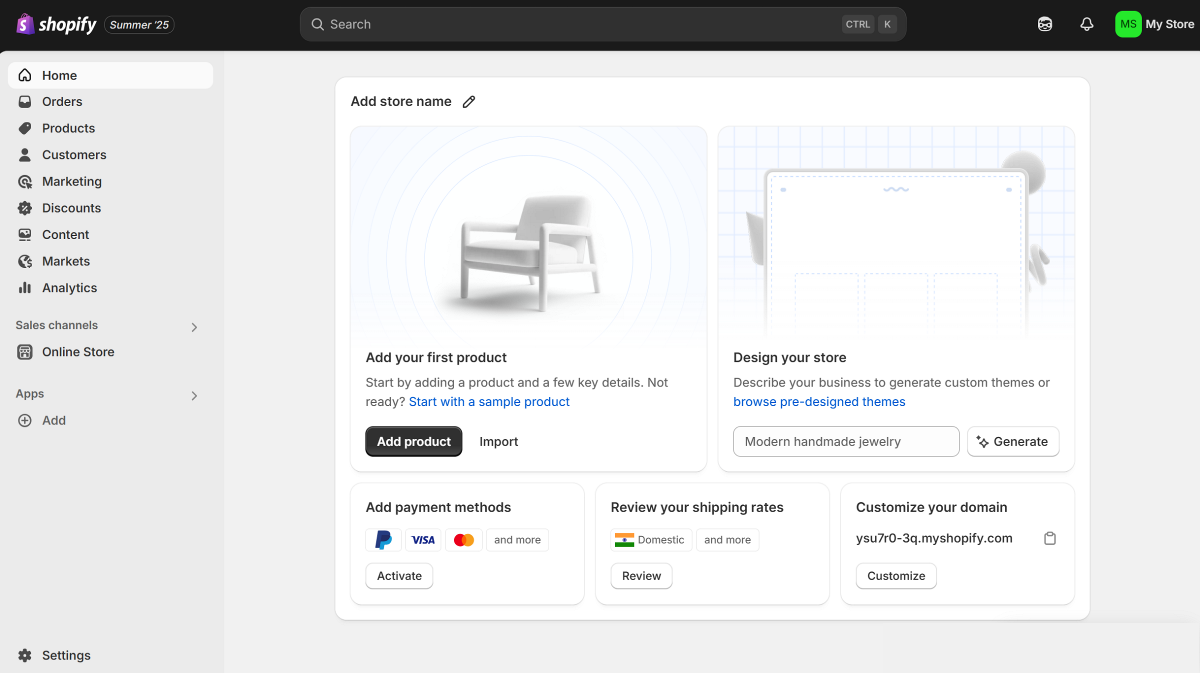
Shopify is a fully managed platform designed specifically for online stores.
- Fully hosted SaaS platform
- Hosting, security, and performance are handled for you
- Built specifically for selling products online
This means you do not need to worry about technical setup. Everything is already included in one system.
When you log in, you get a clean dashboard where you can manage products, orders, customers, and payments without installing anything extra.
The biggest advantage here is simplicity. You can launch a store quickly without dealing with hosting, updates, or technical issues.
👉 You get a complete system ready to use.
WordPress (Self-Managed System)
WordPress works in a completely different way.
- Open-source content management system
- Requires hosting, plugins, and setup
- Fully customizable
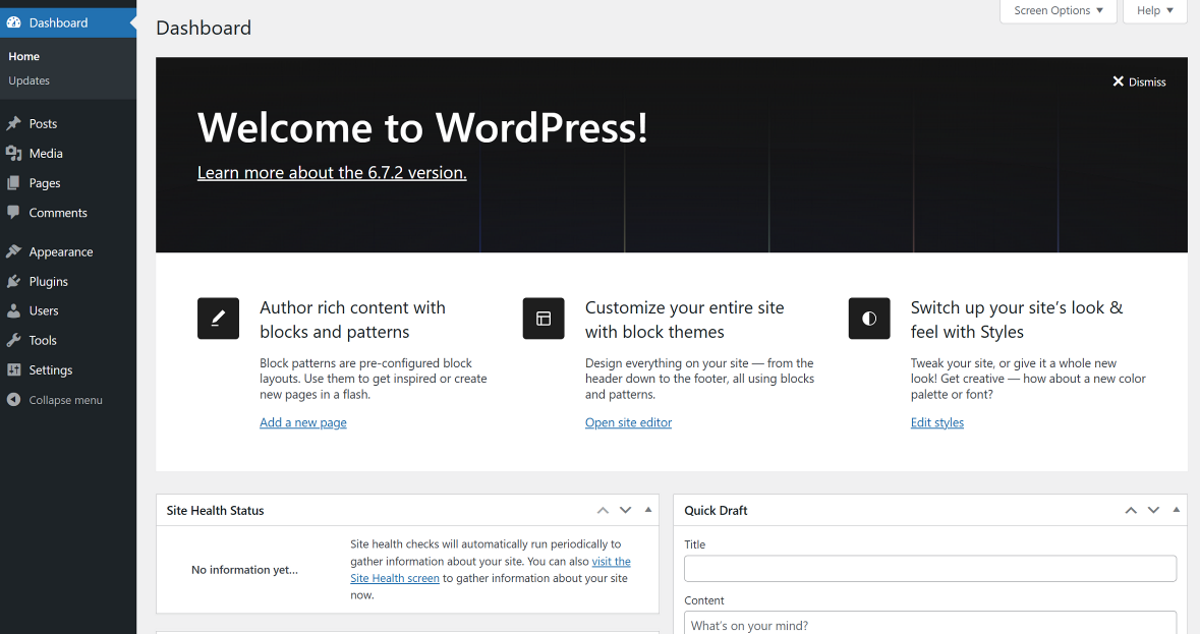
WordPress does not come with built-in eCommerce features. Instead, you build your website step by step by adding the tools you need.
You choose:
- Hosting provider
- Theme design
- Plugins for features
- Security and performance setup
This gives you full control, but it also means you are responsible for managing everything.
👉 You build your own system piece by piece.
E-Commerce Approach: Built-in vs Plugin-Based
Another major difference in wordpress vs shopify is how each platform handles eCommerce.
Shopify: Built-in eCommerce
With Shopify, eCommerce is not an add-on. It is the foundation of the platform.
- Native product management system
- Built-in payment processing
- Integrated shipping tools
- Centralized dashboard for orders and customers
Everything works together inside one system. You do not need to connect multiple tools or worry about compatibility issues.
For example, when a customer places an order, inventory updates automatically, payments are processed, and shipping can be handled within the same platform.
This creates a smooth and predictable workflow.
👉 Everything works together seamlessly.
WordPress: Choose Your eCommerce Plugin
With WordPress, there is no built-in eCommerce system.
To turn your site into an online store, you need to install a plugin.
Some of the most popular options include:
- WooCommerce which is the most widely used eCommerce plugin
- Easy Digital Downloads for selling digital products
- SureCart for modern checkout experiences
Each plugin offers different features depending on what you want to sell.
This gives you flexibility, but it also means you need to choose the right tools and manage them properly.
👉 You choose the tools based on your needs.
Ease of Use
Ease of use is one of the biggest deciding factors in wordpress vs shopify, especially for beginners.
Shopify
Shopify is designed to be simple and focused.
- Clean and organized dashboard
- Easy product and order management
- Beginner-friendly setup
Everything is structured around selling. You can quickly add products, set prices, and start accepting orders without technical knowledge.
Most tasks are done in the same interface, which makes it easy to learn and manage daily operations.
👉 Everything is designed for selling.
WordPress
WordPress is more flexible but also more complex.
- More advanced dashboard
- Experience depends on plugins used
- Requires learning different tools
Since WordPress is not built specifically for eCommerce, your experience depends on how you configure it.
For example, WooCommerce adds its own system on top of WordPress, which means you are working with multiple layers instead of one unified interface.
This creates a learning curve, especially for beginners.
👉 More flexible but requires technical understanding.
Design and Customization
Design flexibility is one of the biggest differences in wordpress vs shopify, and it directly affects how unique your website can look.
Shopify
Shopify uses a theme-based customization system.
- Pre-designed themes optimized for conversions
- Section-based editor for layout changes
- Limited flexibility without coding
You can easily change colors, text, images, and basic layout elements. However, when you want a completely unique design or custom functionality, you will need to edit code or hire a developer.
👉 Easy to design, hard to customize deeply.
WordPress
WordPress offers complete design freedom.
- Full control over website layout
- Page builders like Elementor and Divi
- Ability to create fully custom designs
You are not restricted to templates. You can design pages exactly how you want, from simple layouts to complex custom user experiences.
This flexibility is one of the biggest advantages of WordPress.
👉 Unlimited customization potential.
Content and SEO Capabilities
Content and SEO are critical if you want long-term traffic and organic growth.
Shopify
Shopify provides basic content and SEO features.
- Simple blogging system
- Standard SEO settings like meta titles and descriptions
- Limited control over advanced SEO features
For advanced SEO tasks such as schema markup or deep optimization, you often need third-party apps.
WordPress
WordPress is built for content and SEO.
- Advanced content management system
- Full control over URLs, structure, and content
- Powerful SEO plugins like RankMath and Yoast
This makes WordPress the best choice for businesses that rely on blogging, content marketing, and search engine traffic.
👉 Best choice for content-driven SEO.
Performance and Speed
Website speed affects user experience, SEO rankings, and conversions.
Shopify
Shopify handles performance automatically.
- Fully optimized hosting
- Built-in CDN
- Fast loading without setup
You do not need to configure anything. The platform manages speed and performance for you.
WordPress
WordPress gives you full control over performance.
- Speed depends on hosting quality
- Requires caching and optimization
- Can be highly optimized with the right setup
With proper optimization, WordPress can be faster than Shopify, but it requires effort and the right tools.
👉 Can be faster than Shopify if optimized properly.
If your website is slow, Techippo Website Speed Optimization can improve performance, Core Web Vitals, and overall user experience.
Pricing Comparison
Pricing is another major factor in wordpress vs shopify, and the difference comes down to fixed costs versus flexible costs.
Shopify Pricing
- Starts at $39 per month
- Additional costs for apps and integrations
- Transaction fees if not using Shopify Payments
Shopify offers predictable pricing, but costs increase as you scale and add features.
WordPress Pricing
- Core software is free
- Hosting typically costs $10 to $50 per month
- Paid themes and plugins may be required
WordPress offers flexible pricing, but total cost depends on your setup and required features.
| Feature | Shopify | WordPress |
|---|---|---|
| Base Cost | Starts at $39/month | Free (software only) |
| Hosting | Included | $10 to $50/month |
| Themes | Free and paid | Free and paid |
| Plugins/Apps | Paid apps required | Free and paid plugins |
| Transaction Fees | Yes (if not using Shopify Payments) | No platform fees |
| Total Cost | Predictable but can increase | Flexible but variable |
👉 Shopify gives predictable pricing
👉 WordPress gives flexible pricing with more control
Apps and Integrations
As your business grows, you will need additional tools for marketing, analytics, payments, and automation. This is where apps and integrations become important in wordpress vs shopify.
Shopify
Shopify offers a large and well-organized app ecosystem.
- Thousands of apps available for different needs
- Easy installation directly from the dashboard
- Advanced features often require paid apps
While Shopify apps are powerful, many essential features like subscriptions, upsells, or advanced analytics require monthly subscriptions, which can increase costs over time.
WordPress
WordPress has one of the largest plugin ecosystems in the world.
- Massive library of plugins
- Both free and paid options available
- More flexibility in choosing tools
You can mix and match plugins based on your needs, whether it is SEO, marketing, payments, or design.
👉 More flexibility in WordPress.
Customer Support
Support plays a major role, especially when you run into technical issues.
Shopify
Shopify provides centralized support.
- 24/7 customer support
- Dedicated support team
- Help available through chat, email, and sometimes phone
This makes it easier for beginners to get help quickly without searching multiple sources.
WordPress
WordPress works differently.
- Community-based support
- Plugin and theme-specific support
- Developers and agencies available for hire
There is no single support team for everything, but you get access to a large ecosystem of experts and resources.
👉 More control but less centralized support.
Market Share and Popularity
When comparing wordpress vs shopify, market adoption tells an important story.
- WordPress powers over 40 percent of all websites on the internet
- Shopify powers millions of online stores worldwide
This shows that WordPress dominates overall web usage, while Shopify dominates platforms specifically built for eCommerce.
👉 WordPress leads in flexibility and global usage, Shopify leads in dedicated eCommerce solutions.
How to Choose Between WordPress vs Shopify
Choosing between wordpress vs shopify depends on your business goals, technical comfort level, and long-term vision.
Selection Tips
Choose Shopify if:
- You want quick setup
- You do not want to manage technical tasks
- Your main focus is selling products
Choose WordPress if:
- You want full control over your website
- SEO and content marketing matter to your business
- You need custom features or scalability
For a fully optimized and scalable website, Techippo Custom WordPress Website Development helps build high-performance stores with full control, better SEO, and long-term flexibility.
Common Mistakes When Choosing a Platform
Many people make the wrong choice because they focus on short-term convenience instead of long-term growth.
Avoid these common mistakes:
- Choosing ease over scalability
- Ignoring SEO potential
- Underestimating long-term costs
- Not planning for future growth
Choosing the wrong platform can lead to rebuilding your website later, which costs time and money.
Frequently Asked Questions
What are the disadvantages of Shopify?
Shopify has a few limitations that you should consider:
– Limited customization compared to WordPress
– Ongoing costs for apps and features
– Transaction fees if you do not use Shopify Payments
These limitations become more noticeable as your business grows.
Is WordPress better than Shopify?
It depends on your goals.
WordPress is better for flexibility, customization, and SEO. Shopify is better for ease of use and managing an online store without technical work.
If you want control, choose WordPress. If you want simplicity, choose Shopify.
Which is better for dropshipping?
Shopify is easier for beginners because it has built-in tools and apps for dropshipping.
WordPress offers more control and lower long-term costs, but it requires more setup and technical knowledge.
Is SEO better on WordPress or Shopify?
WordPress offers better SEO control.
With WordPress, you can fully customize URLs, content structure, and use advanced SEO plugins. Shopify provides basic SEO tools, but advanced features require apps.
Is WordPress more expensive than Shopify?
WordPress can be cheaper at the beginning because the core software is free.
However, costs depend on hosting, premium plugins, and customization. A fully developed WordPress store can sometimes cost more than Shopify.
The key difference is that WordPress pricing is flexible, while Shopify pricing is fixed but increases with apps.
Final Verdict: WordPress vs Shopify
Both platforms are powerful, but they serve different purposes.
- Best for beginners: Shopify
- Best for customization: WordPress
- Best for SEO and content: WordPress
- Best for quick eCommerce setup: Shopify
👉 If you want simplicity, choose Shopify
👉 If you want control and scalability, choose WordPress
If you want a high-performance website built for SEO, speed, and scalability, Techippo Website Development and Optimization services can help you build the right solution from day one.
You May Also Want to Read
- WooCommerce vs Shopify Which is Better
- WordPress Website Slow to Load Causes Fixes and Proven Speed Optimization Steps
- Top 7 Best WordPress Website Builder Plugin
- How to Publish a WordPress Website
- RankMath vs Yoast Which Plugin Is Best to Add Keywords to WordPress Website
These guides will help you make better decisions, improve performance, and grow your website effectively.


 Reach us on WhatsApp